
UK Black Market Gambling Explodes: Offshore Operators Dodge Enforcement While Targeting Punters Ahead of Cheltenham
Enforcement Struggles Fuel Rapid Black Market Growth
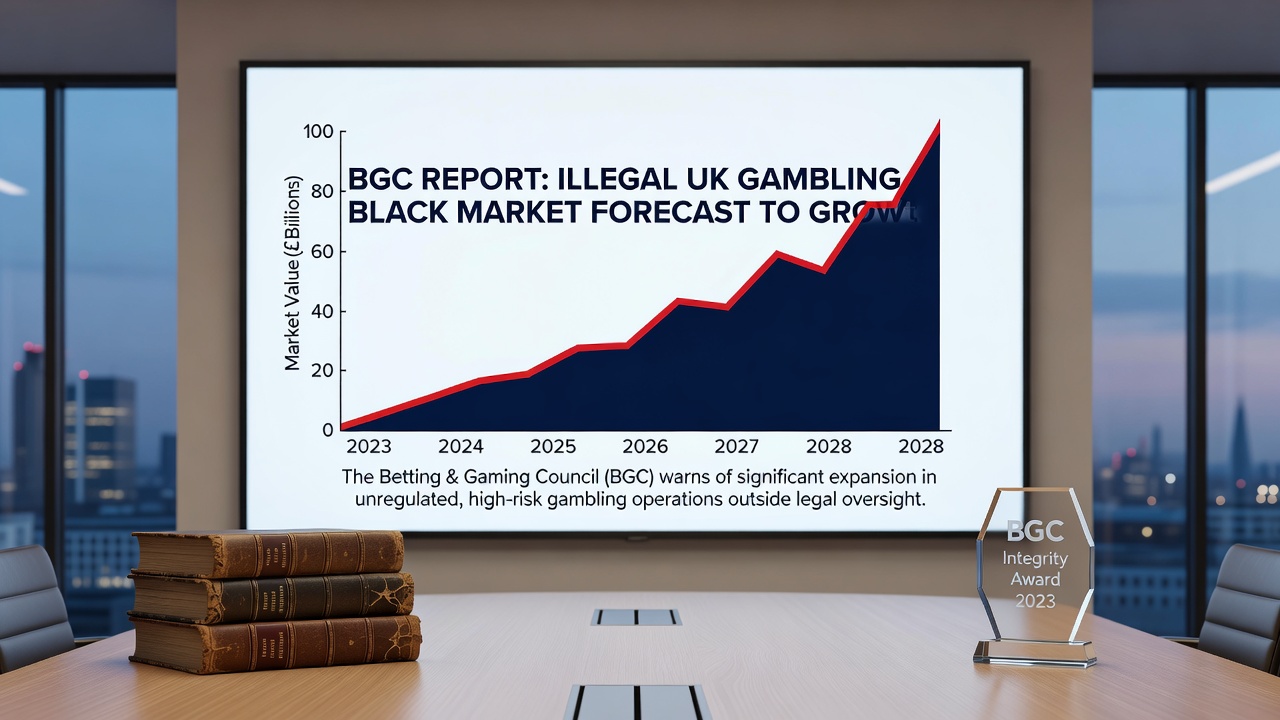
Observers note how the UK's unregulated black market gambling sector has surged in recent months, primarily because enforcement efforts simply can't match the pace of these illegal operations; offshore sites pop up faster than regulators can shut them down, drawing in punters frustrated with licensed options or lured by lax rules. Data from a recent report highlights this expansion, pegging the black market at around 9% of the total UK gambling landscape—a chunk that continues to grow amid tightening rules on legal bookmakers. What's interesting is that these sites often mimic familiar brands, making the switch seamless for users who stick with trusted payment methods like cards or e-wallets they've used before.
And while authorities scramble, illegal operators thrive by exploiting gaps in oversight, especially as the UK government rolls out higher taxes on the licensed sector set to bite harder by April 2026; those changes, aimed at boosting revenue from remote gambling, inadvertently push more activity underground where taxes don't apply. Researchers who've tracked similar trends in other regions, such as studies by the International Betting Integrity Association, point out how offshore havens in places like Curacao or Malta host these platforms, beyond easy reach of UK laws.
Social Media Influencers and AI Become Key Promotion Tools
Turns out social platforms serve as the perfect launchpad for these black market sites, with influencers and tipsters on Instagram aggressively plugging offshore bookies to their followers; posts promise better odds, no limits, and quick payouts, often disguised as casual racing tips or Cheltenham previews. But here's the thing: even Meta's AI tools have been caught directing users straight to these unregulated operators when asked for betting recommendations, a glitch or oversight that's amplified the problem since it feels like an endorsement from a tech giant.
Experts observing this shift describe how tipsters—many with massive followings—embed promo codes in stories or reels, targeting UK punters hungry for an edge during big events; platforms like Instagram's algorithm boosts this content because it drives engagement, even if it's skirting the rules. People who've analyzed ad spends note that these promotions cost operators pennies compared to traditional marketing, yet they reel in high volumes of registrations, especially from those self-excluded on licensed UK sites who find doors wide open offshore.
Alex Wood's Report Exposes Shocking Site Vulnerabilities
Fraud specialist Alex Wood, commissioned by Flutter UK & Ireland to probe this underground economy, tested multiple offshore sites and uncovered glaring flaws that make them magnets for UK bettors; operators accepted registrations using blatantly fake identities—like naming accounts after famous racehorses or even fictional children residing at Buckingham Palace—without any verification pushback. This ease of access stands in stark contrast to the rigorous ID checks on licensed platforms, where punters must jump through hoops.
Wood's findings go deeper: these sites blatantly ignored self-exclusion schemes registered through GamStop, the UK's official program, allowing barred individuals to deposit and bet instantly; familiar payment gateways processed transactions without flags, so a punter could fluidly shift funds from a Betfair or Paddy Power account to an offshore rival. According to the full report detailed by GamblingNews, such lapses not only enable problem gambling but also expose users to fraud risks, since there's no regulatory safety net or dispute resolution.
Take one example Wood documented: a test account registered as "Frankel the Horse" (nodding to the legendary racehorse) got approved in minutes, complete with deposit bonuses; another posing as a toddler at the Palace sailed through, highlighting how these platforms prioritize volume over compliance. Those who've reviewed similar investigations, including reports from Canada's Responsible Gambling Council, emphasize that weak KYC (Know Your Customer) processes create a perfect storm for exploitation.
9% Market Share Threatens Legal Operators and Tax Plans
Now the numbers paint a worrying picture: black market activity claims about 9% of the UK's overall gambling spend, siphoning revenue that could fund problem gambling support or public services; as legal operators brace for tax hikes—jumping to 20% or more on online gross gambling yield by April 2026—this underground shift risks eroding the anticipated windfall. Flutter UK & Ireland, behind brands like Paddy Power, commissioned Wood's work precisely because their data showed punters drifting away, lured by offshore promises of lower vig or unrestricted staking.
But it's not just lost taxes; observers warn of broader harms, since black market sites skimp on safer gambling tools like deposit limits or reality checks, leaving vulnerable users exposed. Studies from regions like Australia, where similar booms hit after regulatory tweaks, reveal how enforcement lags lead to spikes in gambling-related debts and crime; there, the Australian government's gambling help portal tracks how offshore ads correlate with increased helpline calls.
Cheltenham Festival Spotlights the Urgency
Ahead of the prestigious Cheltenham Festival—where jumps racing draws massive UK betting volumes—this report drops like a timely bombshell, as punters gear up for the March showdown between equine stars; black market operators ramp promotions now, flooding Instagram with "Cheltenham specials" that undercut licensed odds. Experts who've covered past festivals note how event hype creates prime poaching opportunities, with tipsters hyping "guaranteed wins" on offshore apps.
So while the legal sector innovates with features like cash-out and stats-driven bets, underground rivals offer the Wild West allure—no stake caps, no cool-offs—which pulls in recreational and at-risk bettors alike; Wood's tests even showed sites geo-unblocking UK IPs during peak hours, ensuring seamless access. It's noteworthy that this timing coincides with post-Brexit regulatory flux, where cross-border enforcement remains tricky despite EU collaborations.
Conclusion: A Tipping Point for UK Gambling Oversight
The reality is clear from Wood's probe and market data: black market gambling has embedded itself deeply in the UK scene, promoted slickly via social influencers and AI mishaps, while exploiting enforcement blind spots to capture 9% of the pie; as tax pressures mount on licensed firms by April 2026, the stakes rise for policymakers to adapt. Researchers stress that bolstering international partnerships—much like those pursued by groups tracking global match-fixing—could stem the tide, but for now, punters navigate a dual world where offshore ease clashes with legal safeguards. Those monitoring the space watch closely, especially with Cheltenham on the horizon, to see if regulators can reclaim the high ground before the black market claims more territory.