
UK Betting Industry Sounds Alarm: Affordability Checks Set to Herd Punters Toward Unprotected Black Market Shadows
The Industry's Unified Front Against Financial Scrutiny
The Betting and Gaming Council (BGC), alongside more than 400 key figures from the British Horseracing Authority—including trainers, owners, and stakeholders—has fired off a stark warning to Culture Secretary Lisa Nandy, cautioning that proposed affordability checks will shove bettors straight into the arms of unregulated black market sites where consumer protections simply don't exist. These checks, which demand punters hand over personal financial documents like bank statements and payslips, form a core piece of the regulatory overhaul stemming from the 2023 Gambling Act Review White Paper; yet industry leaders argue they risk unraveling the very safeguards they're meant to bolster, especially as final decisions loom next month ahead of a full rollout by Q3 2026.
What's interesting here is how this coalition spans the heart of UK betting; horseracing, a cornerstone of the nation's gambling culture, stands particularly vulnerable since black market operators offer no guarantees on fair odds, swift payouts, or problem gambling support, leaving punters exposed while licensed firms foot the bill for compliance. Observers note that events like the Cheltenham Festival already saw £60 million in illegal wagering slip through the cracks, a figure that underscores the scale of the underground threat even before these checks kick in.
Punters Draw a Hard Line on Privacy
A YouGov poll commissioned by the BGC lays bare the resistance, revealing that 65% of UK bettors flat-out refuse to submit such sensitive information just to place a bet, while a prior UK Gambling Commission survey paints an even starker picture with 77% overall opposition cutting across casual fans and high rollers alike. Turns out, this isn't some fringe sentiment; data indicates people value their financial privacy fiercely, particularly when wagering on favorites like Cheltenham or everyday Premier League matches, and forcing the issue could see licensed books hemorrhage customers overnight.
But here's the thing: those who've studied gambling behavior point out that bettors already navigate strict age and ID verification without much fuss, yet demanding deep dives into bank records crosses a threshold, prompting many to seek alternatives where questions go unasked. Experts have observed similar pushback in other regulated markets, where overly intrusive rules correlated with spikes in offshore activity; in the UK context, that spells trouble for an industry contributing billions to the economy, especially horseracing which relies on steady, protected revenue streams to fund prize money and track upkeep.
Unpacking the Affordability Checks and Their Timeline
These measures, detailed in the 2023 White Paper, aim to flag excessive gambling by scrutinizing spending against income, but the BGC and horseracing allies contend the execution—routine document submissions for anyone betting beyond modest thresholds—ignores practical realities like fluctuating freelance earnings or shared household finances that don't neatly fit templates. Finalization comes next month, setting the stage for phased implementation through 2026, with full enforcement hitting by Q3; notably, April 2026 marks a key pilot window where early trials could expose flaws, although industry voices urge tweaks to avoid alienating the 65% ready to walk away.
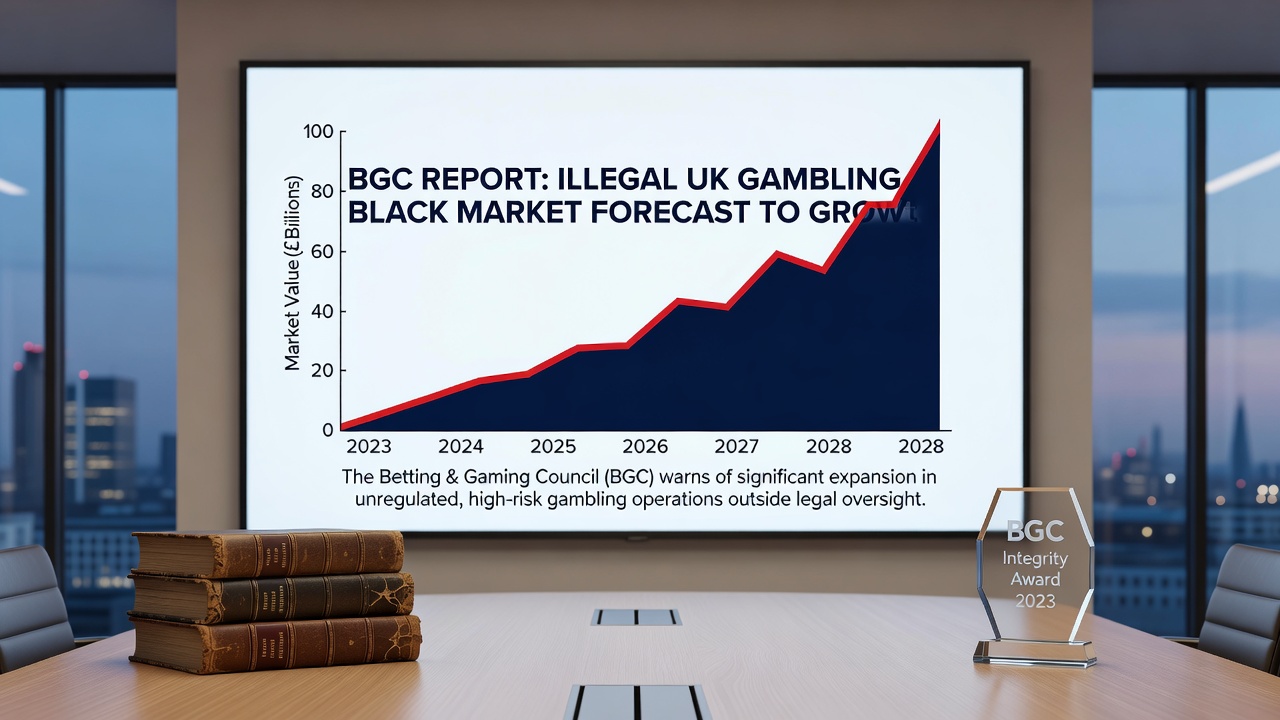
And while proponents highlight harm reduction, figures from recent high-profile events like Cheltenham reveal £60 million wagered illegally, a sum that dwarfs typical enforcement wins and hints at how black market sites, often crypto-fueled and jurisdiction-free, lure punters with lax rules and bonus lures. Researchers who've tracked these shifts note that regulated operators invest heavily in tools like self-exclusion and deposit limits—features absent offshore—yet affordability demands could tip the scales, driving volume to platforms that prey on vulnerability without recourse.
Horseracing's Stake in the Fight
Over 400 signatures from the British Horseracing Authority carry weight because the sport's ecosystem thrives on betting turnover; trainers fund stables through levy-backed purses, owners chase returns on investments, and tracks maintain facilities via gate receipts intertwined with wagering. One case that stands out involves Cheltenham, where that £60 million black market haul not only evaded taxes but eroded trust in the official pools, prompting observers to warn that affordability friction could amplify such losses industry-wide.
So, as the BGC rallies this broad coalition, the message to Lisa Nandy boils down to balance: protect problem gamblers without punishing the responsible majority, since polls show two-thirds balk at baring their financial souls for a punt. It's noteworthy that similar checks trialed elsewhere sparked evasion rates north of 50%, and with UK punters already eyeing apps from less stringent realms, the writing's on the wall for potential exodus if compromises aren't reached before Q3 2026 rollout.
People who've followed gambling reforms know the 2023 White Paper promised a modern framework, yet this push for document-heavy verification clashes with digital betting's speed and convenience; take a trainer who's juggled payroll against inconsistent prize money—they'd likely view bank statement uploads as an unnecessary hurdle when self-limits already curb excesses. That said, the coalition's letter emphasizes collaboration, urging ministers to explore frictionless alternatives like spending analytics from banks themselves, a nod to tech solutions that respect privacy while achieving goals.
Broader Ripples Across Betting Landscape
Yet the concerns extend beyond horseracing; BGC members, spanning online sportsbooks to high-street shops, report early signs of punter migration even pre-checks, with illegal sites advertising aggressively during major events. Data from the UK Gambling Commission underscores the opposition at 77%, a figure that includes demographics from young football fans to seasoned racegoers, all united in rejecting what feels like overreach.
Now, with finalization just weeks away, stakeholders watch closely as Culture Secretary Nandy weighs input; the ball's in her court to refine rules that safeguard without stifling, especially since black market voids leave no room for the BGC's GambleAware funding or operator-led interventions. Observers point to Cheltenham's £60 million shadow betting as a cautionary tale, where punters chased better odds abroad, bypassing protections that keep the game fair and funds flowing back to sports like racing.
It's interesting how this debate echoes global patterns—Australia's tracking caps faced backlash too, leading to tweaks—suggesting UK policymakers might pivot toward proportional checks for high-volume bettors only, preserving access for the vast majority. Those in the industry, from BGC executives to trackside owners, stress that unregulated havens don't just dodge taxes; they amplify risks, turning casual flutters into high-stakes traps without safety nets.
Looking Ahead to Implementation and Beyond
As Q3 2026 approaches, with April pilots potentially testing real-world viability, the industry's plea resonates: adapt the checks to win back the 65% per YouGov, or watch legal betting volumes plummet amid a black market surge. Figures reveal the stakes—£60 million at one festival alone—and underscore why over 400 horseracing voices joined the BGC in this pivotal stand.
Ultimately, the path forward hinges on dialogue; ministers hold the reins, but punter polls and event data paint a clear picture, urging measures that protect without pushing customers into shadows where safeguards vanish entirely.