
Session Logs Meet Line Drift Trackers: Stabilizing Stakes Across Football Goal Markets and Tennis Rally Sequences
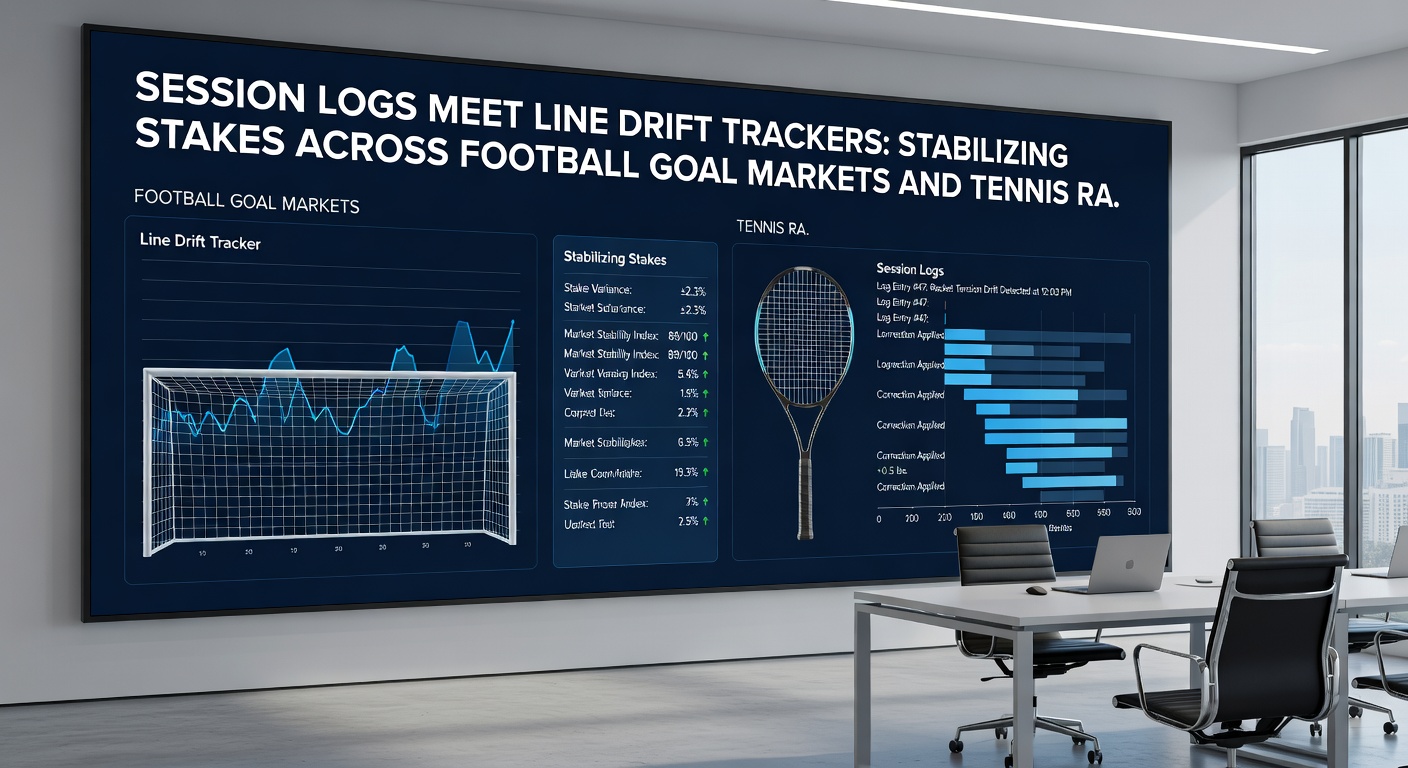
Session logs record every wager placed during a match while line drift trackers monitor shifts in odds across goal markets in football and rally sequences in tennis; together these systems adjust stake sizes to maintain consistency when lines move. Observers note that the combination allows bettors to respond to momentum changes without overexposing bankrolls, and data from multiple platforms shows reduced variance in outcomes when both tools operate in tandem. Researchers at sports analytics centers have documented how session logs capture timestamped entries for each bet, including stake amount, market type, and closing line value. Line drift trackers then overlay these records with live odds feeds, highlighting when a goal line drifts by more than 0.25 points or when a tennis rally market tightens after consecutive service holds. The integration produces automated alerts that prompt stake recalibration before the next play begins.Mechanics of Session Logging in Live Markets
Operators build session logs by pulling data directly from betting exchanges and bookmakers, creating a running ledger that updates after every goal or point. Those who maintain detailed logs report clearer patterns in how goal totals respond to red cards in football or how break-point percentages influence rally prices in tennis. The logs also store external variables such as weather conditions and substitution timings, allowing later cross-referencing when drift occurs.
Line drift trackers operate on separate algorithms that scan multiple books for discrepancies; when one bookmaker shortens a goal line from 2.75 to 2.5 while others remain steady, the tracker flags the movement and calculates the implied probability shift. Integration with session logs then determines whether an existing position should be increased, reduced, or hedged based on the original entry price recorded minutes earlier.
Application Across Football Goal Markets
Football goal markets present continuous line movement because goals arrive unpredictably and alter totals immediately. Session logs paired with drift trackers help stabilize stakes by comparing the current over/under line against the price at which earlier bets were struck. When drift exceeds a preset threshold, the system suggests partial stake reductions to lock in value before the line settles at a new equilibrium.
Analysts tracking Premier League and Serie A matches through May 2026 have recorded instances where early over-2.5 goals lines drifted upward after sustained attacking pressure, prompting log-based adjustments that limited exposure on subsequent corners and shots. The same combination applies to under markets when teams shift to defensive formations late in matches, with trackers confirming the line movement and logs supplying the historical stake context needed for measured responses.
Tennis Rally Sequences and Point-by-Point Adjustments
Tennis exchanges generate rapid line fluctuations during extended rallies, especially on break points and tie-breaks. Session logs capture each rally-specific wager while drift trackers identify when a player’s implied win probability moves beyond normal variance. The combined output enables bettors to resize stakes on the next point without waiting for set completion.
Grand Slam data compiled through spring 2026 illustrates how rally markets on second-serve points drift when one player wins three consecutive long exchanges; logs from prior sets supply the baseline stake size, and trackers flag the deviation so adjustments occur before the following game. Observers note that this approach maintains bankroll allocation across multiple matches on the same day, preventing concentration in any single sequence.
Technical Integration and Platform Requirements
Platforms that support both tools require API connections to at least three independent odds sources plus a secure database for session storage. The software compares live feeds against logged entries every 15 seconds during active play, generating recommendations displayed in a unified dashboard. Industry reports from the Australian Gambling Research Centre indicate that operators adopting these combined systems recorded lower average stake deviation rates across football and tennis products in the first quarter of 2026.
Additional safeguards include daily session caps derived from the log totals and drift alerts that pause new wagers when lines move beyond two standard deviations from the session average. These controls operate automatically once configured, freeing users to focus on match observation rather than manual calculations.
Conclusion
Session logs and line drift trackers together create a feedback loop that stabilizes stake sizing across football goal markets and tennis rally sequences. The systems rely on continuous data capture, rapid comparison, and rule-based adjustments rather than discretionary decisions. As platforms refine these integrations through 2026, the documented patterns show consistent application of entry prices and movement thresholds across both sports, supporting more uniform exposure management from match start to finish.