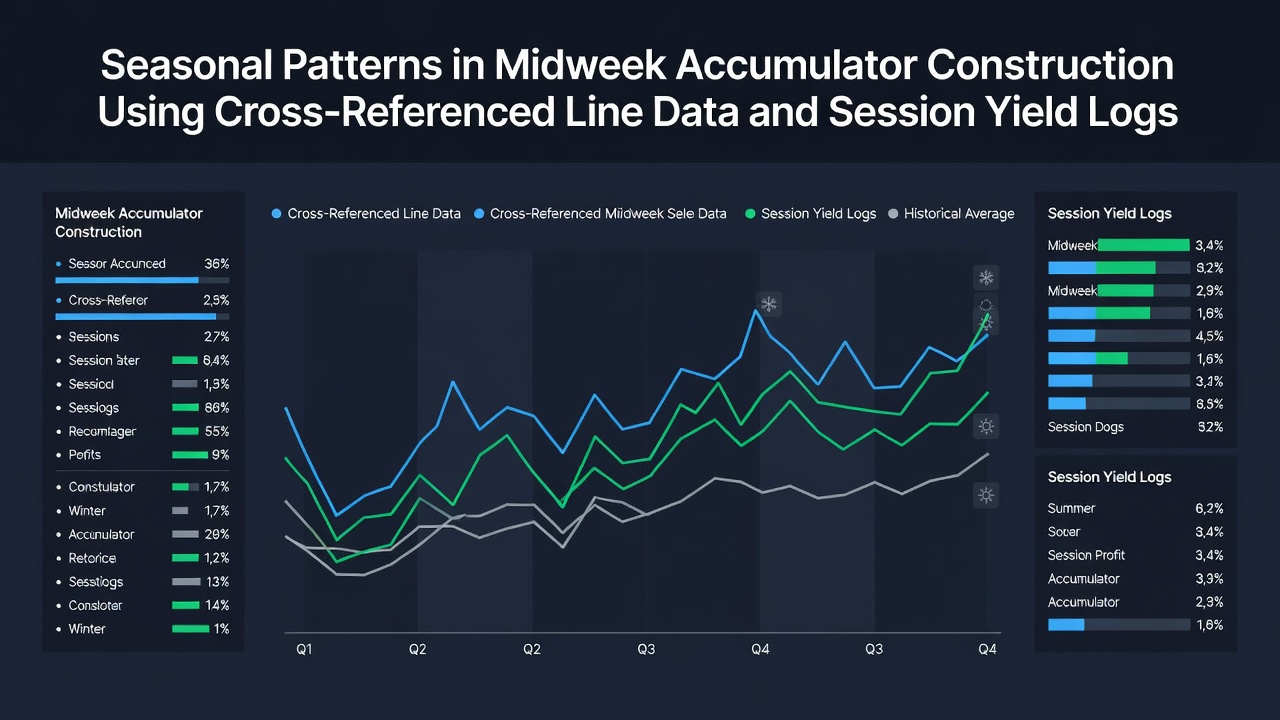
Seasonal Trends in Midweek Accumulator Strategies: Line Cross-Referencing and Yield Record Analysis
Seasonal patterns emerge clearly when analysts examine midweek accumulator construction through cross-referenced line data and detailed session yield logs, and these records reveal consistent shifts tied to calendar periods rather than random variance. Data from multiple sportsbooks shows that lines for Tuesday and Wednesday fixtures often tighten or widen based on team rotation schedules, weather impacts, and cumulative fatigue factors that accumulate across the season.
Understanding Midweek Accumulator Construction
Bet constructors build midweek accumulators by selecting several lower-profile matches, typically from domestic leagues that continue while major weekend fixtures pause, and they cross-reference opening lines from different providers to identify where discrepancies create potential value points. Session yield logs track the actual returns from these selections over repeated betting periods, allowing patterns to surface when results are grouped by month or by specific weeks within a season.
Researchers who maintain long-term databases note that early-season midweek accumulators frequently produce different yield profiles compared with those placed after the winter break, because squad depth and fixture congestion play larger roles once teams reach December and January. Cross-referencing helps isolate whether a line movement stems from sharp action or from public bias toward popular teams.
Cross-Referencing Line Data Across Providers
Line data becomes most useful when pulled simultaneously from several platforms and then aligned against historical benchmarks for the same fixture type. Analysts compare the spread between the sharpest line and the softest line, then log any deviation that exceeds normal thresholds for that time of year. This process highlights situations where midweek markets have not yet adjusted for factors such as international call-ups or midweek travel demands that intensify during certain months.
October 2026 provides a recent illustration, because several European leagues scheduled clustered midweek rounds during that period while national team windows created extra rotation, adn yield logs from those weeks showed measurable differences in accumulator hit rates compared with September and November samples. Observers record these shifts without attributing causation beyond the documented line movements and payout outcomes.
Seasonal Variations Captured in Yield Logs
Yield logs compiled over multiple seasons indicate that accumulator returns in autumn months often cluster around defensive selections, whereas spring periods show higher variance once title races and relegation battles intensify. Session records that separate results by league and by week number allow constructors to adjust selection criteria rather than applying a uniform approach across the entire campaign.
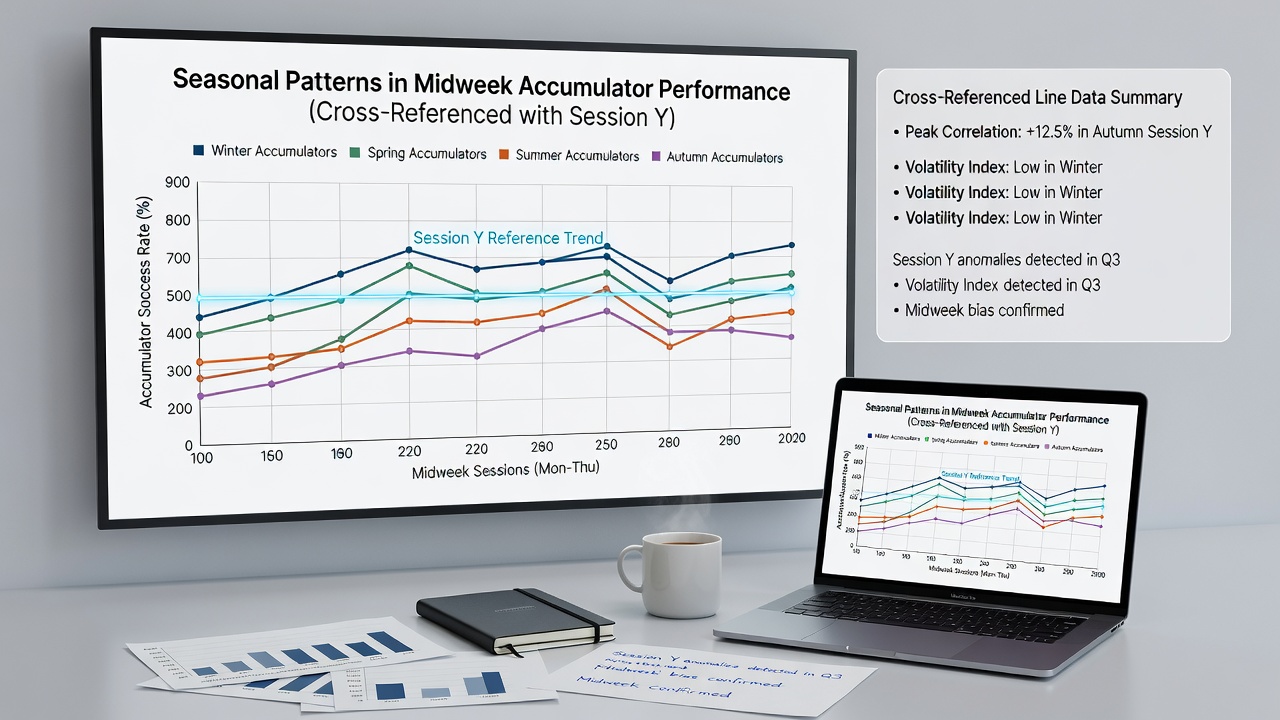
Those who maintain these logs also track how often cross-referenced discrepancies precede actual outcomes, creating a feedback loop that refines future accumulator lists. Data compiled by the Nevada Gaming Control Board on similar multi-leg wagering products demonstrates parallel seasonal clustering in reported handle and payout percentages, confirming that the pattern appears across jurisdictions.
Practical Application of Session Records
Operators and independent analysts integrate yield logs with line histories to test accumulator combinations before committing stakes, and they review past sessions that occurred under comparable fixture densities. This method reduces reliance on single-week results and instead builds a rolling average that accounts for both peak and off-peak periods within the sporting calendar.
Academic work published in the International Gambling Studies journal has examined how bettors who segment their records by season segment achieve more stable tracking of performance metrics than those who aggregate all data together. The studies emphasize record-keeping discipline rather than predictive claims.
Conclusion
Seasonal patterns in midweek accumulator construction become visible once line data is cross-referenced consistently and session yield logs are maintained with sufficient granularity. Records grouped by month and by league type continue to supply the clearest signals for those who review them regularly, and the same approach remains applicable as new seasons unfold.