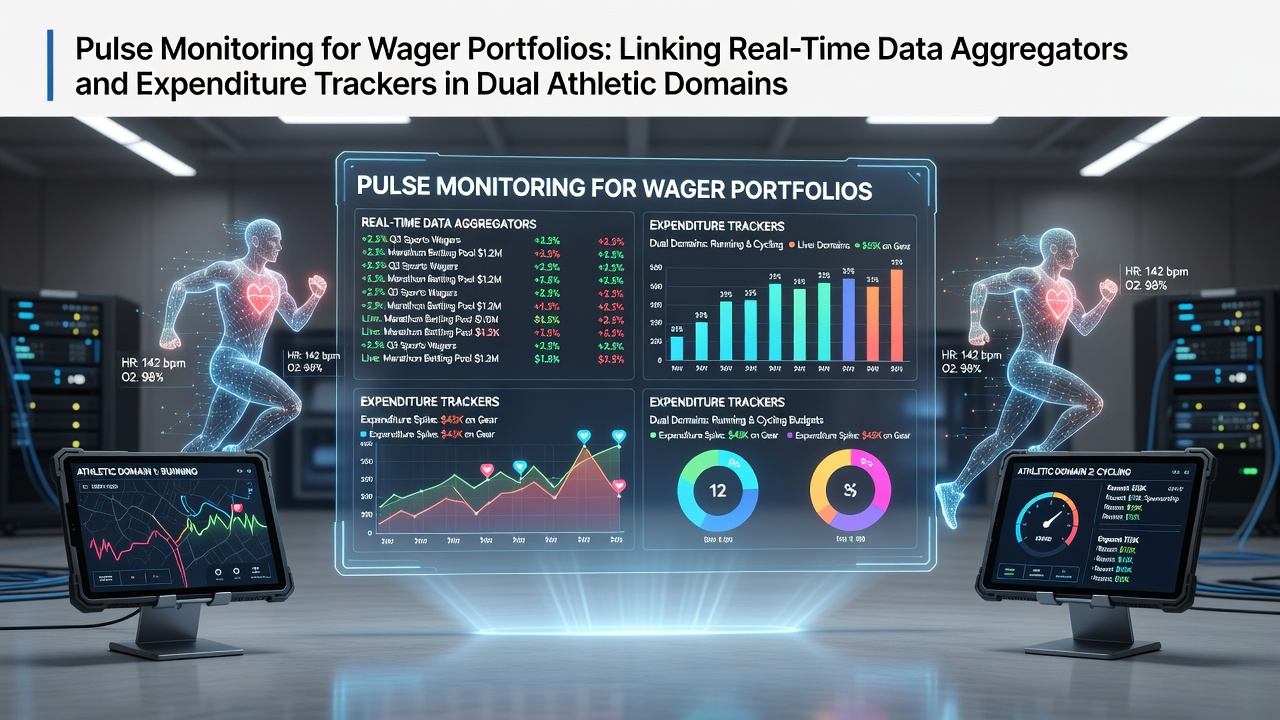
Real-Time Integration of Data Streams and Spending Monitors Across Football and Tennis Betting Portfolios
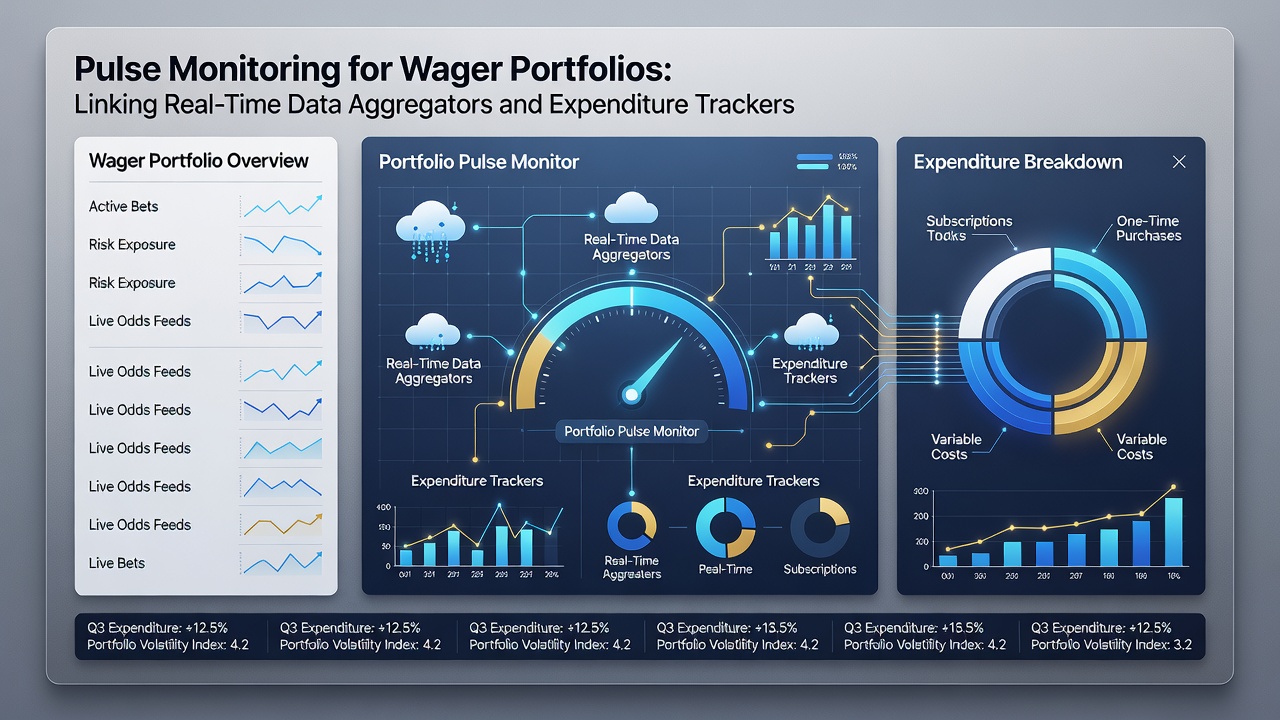
Operators and analysts connect live data aggregators directly to expenditure trackers to maintain continuous oversight of wager portfolios that span football and tennis markets; this linkage allows simultaneous monitoring of odds movements, stake allocations, and cumulative outlays within a single operational framework. Systems pull feeds from multiple bookmakers and exchanges while expenditure modules log every transaction against predefined limits and performance benchmarks, creating a unified view that updates in real time.
Core Components of Aggregator and Tracker Systems
Data aggregators compile odds, volumes, and market depth from numerous platforms into standardized streams, whereas expenditure trackers record deposits, withdrawals, and bet settlements with timestamps and category tags for football leagues or tennis tournaments. When these two layers interface through application programming interfaces, portfolio managers receive alerts when spending approaches thresholds or when live odds diverge from projected values based on historical patterns. Integration typically occurs via cloud-based platforms that handle high-frequency updates during matches, ensuring that a sudden shift in a Premier League corner market or an ATP tiebreak line registers instantly against the overall spend profile.
Applications in Football Markets
Football betting portfolios often involve layered positions across match results, goal totals, and player props that evolve throughout ninety minutes plus stoppage time. Real-time aggregators flag line movements caused by team news or weather changes, while expenditure trackers calculate remaining allocation against earlier commitments on the same fixture. Observers note that this combination helps maintain balanced exposure when multiple games run concurrently, as the system can pause additional stakes if cumulative outlays exceed the session parameter set earlier in the week.
Applications in Tennis Markets
Tennis offers point-by-point granularity that aggregators translate into rapidly changing odds on sets, games, and individual rallies. Expenditure trackers attach these micro-movements to the overall portfolio ledger, showing how a sequence of break-point wagers affects the monthly budget. Those who study dual-domain strategies find that the same interface used for football goal-line adjustments also processes tennis ace prop data without requiring separate dashboards, which reduces operational latency during overlapping schedules such as Wimbledon fortnight and European league weekends.
Technical Linkages and Data Flow
Application programming interfaces serve as the bridge that pushes odds updates from aggregators into expenditure modules every few seconds during active play. Timestamp synchronization ensures that a bet placed on a live tennis match at 14:37 GMT appears in the tracker alongside any football adjustments made at the same moment. June 2026 updates to several commercial platforms introduced enhanced encryption protocols for these data handoffs, addressing increased regulatory scrutiny on cross-border information transfers while preserving the speed required for live environments.
Performance Benchmarking Across Domains
Portfolio managers set benchmarks that compare realized returns in football versus tennis segments against projected models derived from historical data sets. When an aggregator detects a market inefficiency in one domain, the tracker evaluates whether reallocating spend from the other domain would stay within overall risk parameters. Data from industry reports such as those published by the European Gaming and Betting Association indicate that integrated systems reduce manual reconciliation time by measurable percentages during high-volume periods.
Security and Compliance Considerations
Encryption standards and access controls govern the flow between aggregators and trackers to prevent unauthorized viewing of stake histories. Regulatory frameworks in multiple jurisdictions require audit trails that these linked systems generate automatically, logging every data pull and expenditure entry. Research from the Australian Gambling Research Centre highlights how timestamped records support compliance reviews without disrupting live operations.
Conclusion
The linkage of real-time data aggregators with expenditure trackers creates a continuous monitoring environment for wager portfolios that operate across football and tennis. This architecture supports timely adjustments based on live conditions while maintaining clear records of spending patterns. As platforms evolve through 2026 and beyond, the emphasis remains on seamless data exchange that respects both operational speed and regulatory requirements in dual athletic domains.