
UK Gambling Reforms Spark Fury: Punters and Racing Leaders Slam Affordability Checks Demanding Bank Statements
The Push for Stricter Affordability Checks Hits a Wall
Proposed online gambling reforms in the UK, set to introduce mortgage-style financial assessments complete with mandatory bank statement submissions, have ignited a firestorm of opposition from punters and industry heavyweights alike; these checks, aimed at curbing problem gambling through rigorous spending limits based on disposable income, would require bettors to verify their financial health before placing wagers, much like applying for a home loan. And while regulators envision this as a safeguard against addiction, the reality on the ground paints a different picture, with widespread refusal looming large as implementation edges closer toward April 2026.
Turns out, the Gambling Commission has been rolling out these ideas as part of broader white paper reforms, but punters see it as an invasive overreach that treats casual bettors like suspects; experts note this stems from efforts to protect vulnerable players, yet the backlash underscores a tension between safety nets and personal privacy, especially since similar friction checks already exist but fall short of demanding full financial disclosures.
Punters Draw a Hard Line on Sharing Bank Details
A Betting and Gaming Council survey targeting over 2,000 UK punters revealed stark resistance, as 65% flat-out refused to hand over bank details for these checks; respondents, ranging from casual football fans to regular horse racing enthusiasts, cited privacy concerns and the sheer hassle of digging up statements, while many argued it would kill the spontaneity of a quick bet on a match or race.
But here's the thing: this isn't isolated grumbling; Gambling Commission research involving 12,000 frequent gamblers uncovered even fiercer pushback, with over 75% opposing the policy outright, data that highlights how these checks could alienate the very demographic they're meant to help. Observers point out that while lighter touch affordability tools have been trialed, scaling up to bank scrutiny feels like a bridge too far for most, prompting fears that bettors will simply walk away from licensed sites.
What's interesting is how this mirrors patterns from earlier pilots, where even voluntary checks saw low uptake; people who've tested similar systems often discover the paperwork nightmare turns a fun punt into a bureaucratic slog, and with online betting's convenience at stake, that friction could drive numbers down sharply come April 2026.
Racing Elite Delivers a Signed Wake-Up Call
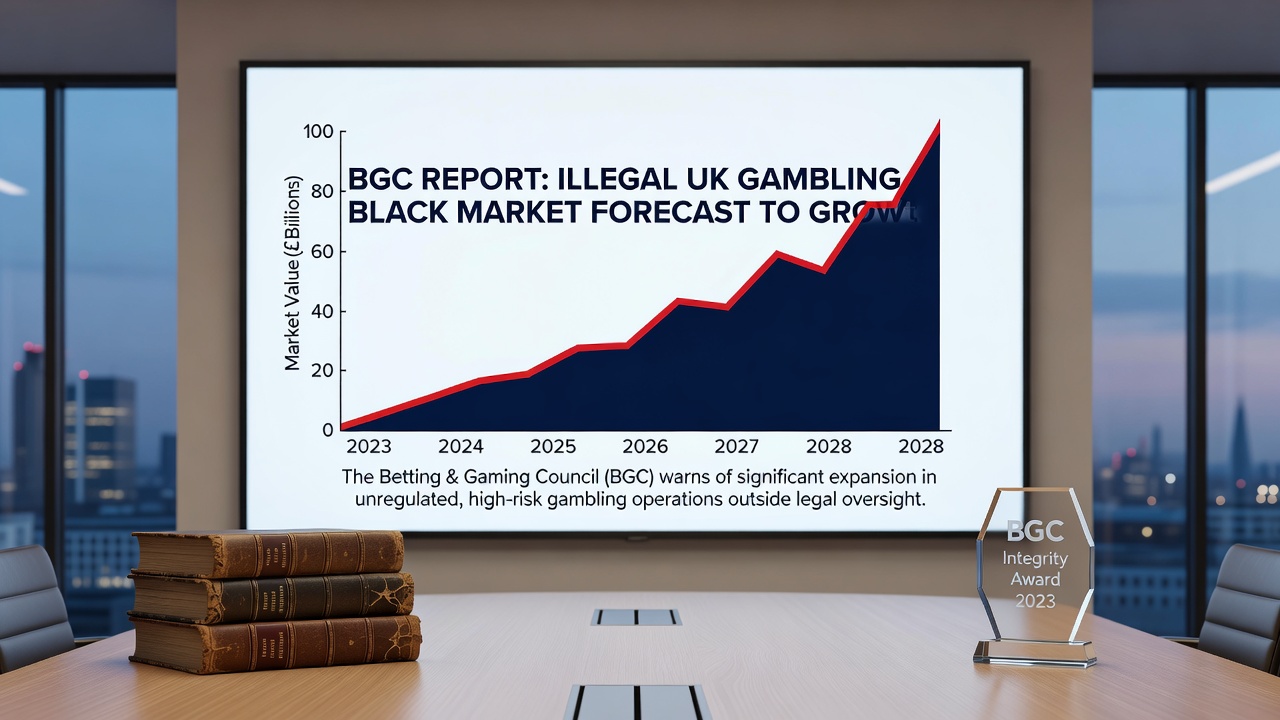
Over 400 figures from the UK racing world, including prominent trainers Lucinda Russell and Robert Waley-Cohen, fired off an open letter to Culture Secretary Lisa Nandy, demanding the government scrap these affordability checks before they wreak havoc; signatories, from jockeys to stable owners, warned that such measures risk shoving bettors toward unregulated black markets, where safeguards vanish and problems multiply unchecked.
The letter pulls no punches, emphasizing how horse racing, already reeling from levy disputes and attendance dips, stands to lose millions in funding if punters bolt for offshore operators; Lucinda Russell, fresh off Grand National triumphs, joined voices arguing that legal betting channels provide the oversight illegal sites lack, yet these checks could flip the script, pushing revenue underground just as April 2026 deadlines loom.
Those who've studied racing economics note the sport's heavy reliance on gambling turnover, with bookmakers channeling funds back via levies; disrupt that flow, and trainers face slashed prize money, while punters lose trusted platforms, a domino effect that's played out in other regulated markets abroad.
Industry Leaders Amplify the Alarm Bells
The Betting and Gaming Council, representing major operators, has led the charge against what they call disproportionate burdens, pointing to their survey as proof that 65% of punters won't comply; leaders argue that while affordability matters, bank statement mandates cross into territory better handled by credit agencies, not betting apps, and data from the Gambling Commission's own polls backs the 75% opposition among heavy users.
So why the uproar now? Regulators finalized these proposals amid rising concern over gambling harms, but industry data suggests targeted interventions work better than blanket invasions; take one case where softer checks in trials caught risks without alienating users, yet scaling to mortgage-level scrutiny changes the game, especially with online punters who value speed over paperwork.
Experts who've tracked these reforms observe that black market growth accelerates under such pressures, as seen in jurisdictions with strict ID rules; UK figures already show offshore sites luring players with lax verification, and this policy could pour fuel on that fire, eroding the £3 billion-plus gross gambling yield from legal channels.
Risks of Black Markets and Racing's Fragile Bottom Line
Critics hammer home the black market danger, where illegal operators dodge taxes and player protections, offering unchecked bets that amplify addiction risks; the racing letter spells it out, claiming these checks will fragment the market, starving levy pots that fund British jumps and flat racing, with trainers like Waley-Cohen highlighting how Cheltenham and Ascot throngs rely on seamless legal wagering.
And although regulators counter that protections outweigh inconveniences, punter surveys tell another story, with 65% ready to resist and 75% of frequent bettors digging in their heels; this standoff comes at a pivotal moment, as April 2026 marks the horizon for white paper rollouts, including tax tweaks and levy reforms that could compound the pain if affordability sticks.
People in the know recall Australia's trial-and-error with similar checks, where uptake lagged and illicit betting surged; UK observers watch closely, noting how licensed sites invest in responsible gambling tools already, from deposit caps to self-exclusion, making bank dives seem redundant, if not counterproductive.
Yet the government's stance holds firm so far, with Lisa Nandy's department reviewing feedback amid broader consultations; still, the chorus from 2,000+ punters, 12,000 gamblers, and 400 racing pros signals a policy on thin ice, where the rubber meets the road in balancing harm prevention with market viability.
Where the Reforms Stand and What's Next
As backlash swells, the Gambling Commission continues refining details, but punter polls and racing pleas underscore a core rift; data indicates compliance could crater under bank-sharing mandates, nudging bettors offshore where risks skyrocket, while legal operators brace for revenue hits that ripple through sports funding. Industry leaders push for alternatives like frictionless credit checks or AI-driven risk flags, tools that snag issues without the full financial strip-search.
Now, with April 2026 fast approaching, Culture Secretary Nandy faces mounting pressure to pivot; the letter from racing stalwarts lands amid levy talks, reminding all that horse racing's ecosystem hangs by betting threads, and severing them invites chaos. Surveys paint a clear picture: 65% won't share statements, 75% oppose the overhaul, facts that demand reckoning before rules lock in.
Observers note this debate echoes global tussles over gambling guardrails, where nuance trumps blunt force; UK punters and pros alike await signals, hoping common ground emerges to shield players without shattering the platforms they trust.
Conclusion
The revolt against UK affordability checks boils down to a clash of intentions and realities; while regulators chase safer betting through bank scrutiny, punters and racing figures spotlight the fallout, from privacy invasions to black market booms, backed by surveys showing 65-75% rejection rates. As April 2026 nears, this story's far from over, with the ball in government's court to heed the data or double down, shaping a landscape where legal wagering either thrives or fractures under the weight of its own protections.