
DCMS Targets Unlicensed Gambling Logos on Football Shirts: A Push to Shield Fans from Black Market Shadows
The Consultation Kicks Off
The UK government's Department for Culture, Media and Sport (DCMS) launched a consultation on 23 February 2026, aiming to ban unlicensed gambling sponsorships in football; this move targets threats from the black market, including organised crime, fraud, and identity theft, as black market operators lure fans with risky, unregulated deals. Observers note that such sponsorships—often plastered on Premier League shirts or stadium banners—expose supporters to operators lacking Gambling Commission oversight, and now, with the consultation underway into March 2026, regulators seek input from stakeholders before finalizing rules. Licensed operators, who've long pushed for a level playing field, see this as a welcome step, especially after years of unregulated brands dominating high-profile deals.
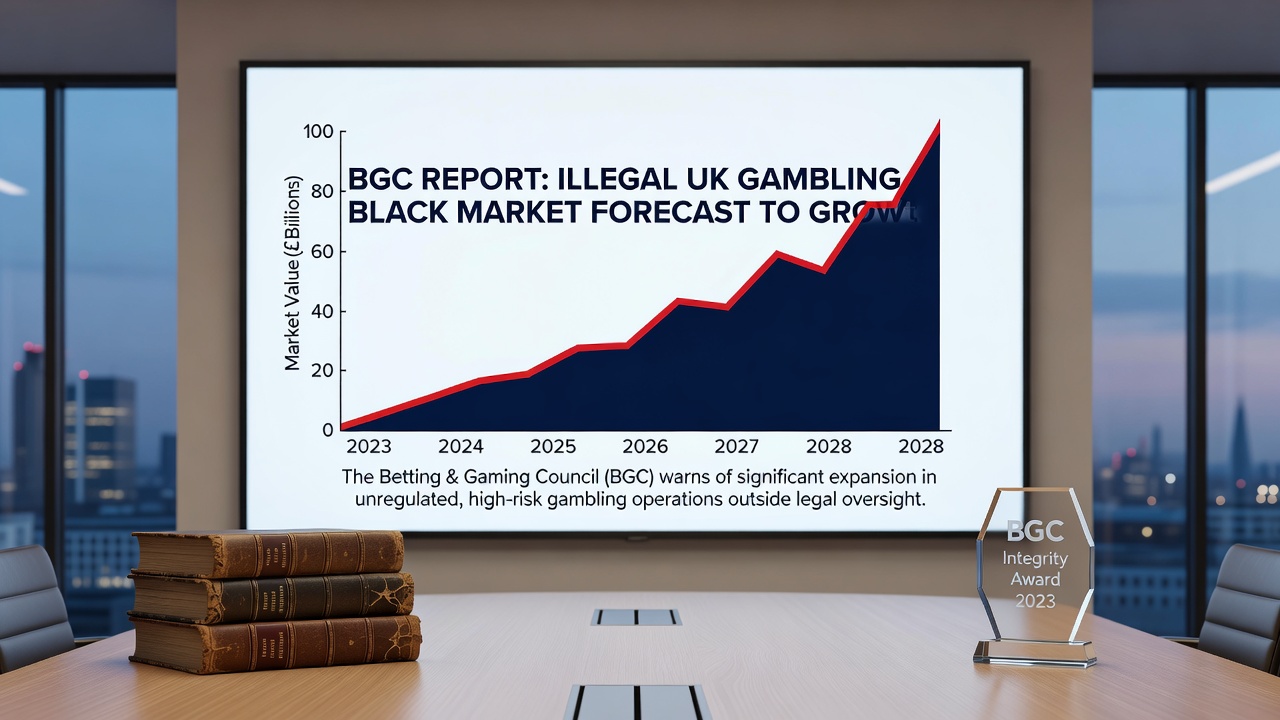
What's interesting here is how the DCMS frames the issue around consumer protection; unlicensed sponsors, typically overseas entities without UK licences, promote sites that bypass strict advertising rules, leading to a surge in illegal betting activity. Data from recent reports indicates that black market gambling has grown amid tighter regulations on licensed firms, with fraud cases spiking as punters chase better odds or bonuses from shadowy platforms. And while football remains the focal point—think front-of-shirt logos on top clubs—the consultation could ripple into other sports, although DCMS emphasizes football's massive audience as ground zero.
Black Market Threats Under the Spotlight
Organised crime groups exploit these sponsorships to normalize their brands, drawing in fans who then encounter rigged odds, money laundering traps, or outright scams; fraudsters use fake promotions tied to match-day hype, while identity theft thrives when punters share details on unsecured sites. Experts who've tracked this space point to cases where supporters lost thousands to cloned sites mimicking legit bookies, all funneled through unlicensed sponsors flashing logos at half-time. Turns out, the government's statement on 23 February 2026 explicitly links these risks to sponsorship visibility, arguing that banning unlicensed deals cuts off a key marketing channel for criminals.
But here's the thing: licensed UK operators already adhere to whistle-to-whistle ad bans and affordability checks, so they argue the playing field tilts unfairly when unlicensed rivals splash cash on stadium ads without similar burdens. People in the industry recall past scandals, like when unregulated Asian brands sponsored Premier League giants in the 2010s, leading to fan complaints over inaccessible sites or sudden account freezes. Now, as the consultation progresses through March 2026, DCMS gathers evidence on how these sponsorships fuel a parallel economy evading taxes and protections.
White Label Partnerships in the Crosshairs
Legal experts suggest white label arrangements—where licensed UK operators handle compliant front-ends for unlicensed brands—might dodge the ban if they prioritize consumer safeguards, yet DCMS scrutiny intensifies on these setups lacking full Gambling Commission licences. According to analysis from iGaming Business, such partnerships let unlicensed entities appear legit while UK firms manage payments and verification, but regulators question if this truly protects fans or merely launders black market access. Those who've studied the model note that while white labels comply on the surface, the underlying unlicensed operator retains control, potentially exposing users to risks abroad.
So, the consultation probes whether to outright prohibit these hybrids; implementation, if approved, would stretch at least 18 months, giving clubs and sponsors time to pivot. Clubs reliant on these deals—often fetching millions per season—face contract rewrites, whereas licensed bookies gear up to fill the void with their own compliant logos. It's noteworthy that Premier League rules already cap front-of-shirt gambling sponsors until 2026, but this DCMS push accelerates the phase-out for unlicensed ones specifically.
Past Issues and Licensed Operators' Relief
Licensed operators welcome the crackdown, citing frustration over unregulated rivals undercutting with aggressive shirt deals; take one Premier League club that inked a deal with an unlicensed Asian brand back in 2022, only for fans to report frozen winnings and dodgy verification processes. Observers who've followed the beat remember how such sponsorships peaked before the 2023 ad restrictions, with black market sites jumping in to sponsor lower-tier matches or training kits. Now, with DCMS consulting through March 2026, figures from the Gambling Commission reveal a 20% uptick in unlicensed site traffic tied to sports visibility, underscoring the urgency.
Yet clubs push back gently, arguing sponsorship cash funds youth academies and community programs; data shows gambling deals contributed over £100 million annually to EFL clubs alone pre-restrictions. That said, licensed firms like Bet365 or Entain, who've sponsored responsibly, position themselves as safer alternatives, complete with problem gambling tools and verified odds. The reality is, this ban could reshape the sponsorship landscape, pushing more revenue toward UK-regulated players who foot the bill for compliance.
Timeline and Broader Implications
Expect rollout no sooner than mid-2027, as the 18-month window covers consultation feedback, parliamentary approval, and transition periods for existing contracts; DCMS plans to review responses by summer 2026, refining rules based on industry input. Football authorities, from the Premier League to grassroots levels, prepare submissions highlighting economic impacts, while fan groups cheer protections against predatory ads during family viewing hours. And although white labels hang in limbo, experts predict tighter definitions of "licensed" to close loopholes.
Here's where it gets interesting: this aligns with broader UK gambling reforms, like stake limits and enhanced checks, forming a multi-front assault on illicit activity. People who've navigated similar bans in Sweden or Italy note short-term revenue dips for clubs, but long-term gains in trust and safer betting environments. As March 2026 unfolds, stakeholders watch closely, knowing the ball's now in DCMS's court to balance fan safety with football's financial engine.
Wrapping Up the Play
The DCMS consultation on unlicensed gambling sponsorships marks a pivotal moment for UK football, directly tackling black market incursions through organised crime, fraud, and identity theft via high-visibility deals. With legal eyes on white labels and an 18-month horizon ahead, licensed operators stand ready to step up, while the industry adapts to a cleaner sponsorship scene. Ongoing discussions into March 2026 will shape the final rules, ensuring football pitches remain arenas for sport, not gateways to unregulated risks; observers agree that's where the rubber meets the road for sustainable fan engagement.