
British Horseracing Authority Signals Openness to Direct Protests Over Punters' Affordability Checks
The Brewing Storm in British Horseracing
The British Horseracing Authority (BHA), under chief executive Brant Dunshea, has voiced readiness for more direct protests against looming government affordability checks on punters, a move that echoes successful past campaigns like 'Axe the Racing Tax' which derailed a proposed betting levy hike. These checks, set for a decision by the Gambling Commission next month in April 2026, promise to reshape the landscape for regular gamblers; figures suggest up to 120,000 could face demands for personal documentation, while projections warn that 44,000 might shift to black market operators, stripping tens of millions from racing's turnover at a time when overall bets have plunged £2 billion since 2021.
What's interesting here is how the industry, already reeling from declining punter activity, sees these checks not just as red tape but as a direct threat to its survival; observers note that the BHA's pivot toward bolder action builds momentum from an open letter signed by over 400 racing figures, all aimed at culture secretary Lisa Nandy. And as April 2026 unfolds, with decisions looming, the ball's in the government's court, yet racing leaders aren't waiting passively.
Unpacking the Affordability Checks
Regulators push these measures to curb problem gambling, requiring bookmakers to assess punters' financial health through income proofs, bank statements, or other docs for those betting above certain thresholds; data indicates this could snag 120,000 regular participants in horse racing alone, forcing them into a paperwork maze that many view as intrusive. But here's the thing: while aimed at protection, the checks come amid broader gambling reforms, and racing stakeholders argue they disproportionately hit a sport reliant on casual, high-volume bets rather than high-rollers.
Turns out, the Gambling Commission's verdict next month will dictate implementation timelines, potentially rolling out nationwide checks that mirror trials already frustrating punters in other sectors; experts who've tracked similar pilots report drop-offs in legitimate activity, with black market apps filling the void seamlessly. The reality is, as bets have tumbled £2bn since 2021—driven by economic squeezes and post-pandemic shifts—these checks could accelerate that bleed, hitting racecourses from Ascot to Cheltenham where turnover fuels prize money and jobs.
Projected Fallout for the Racing Industry
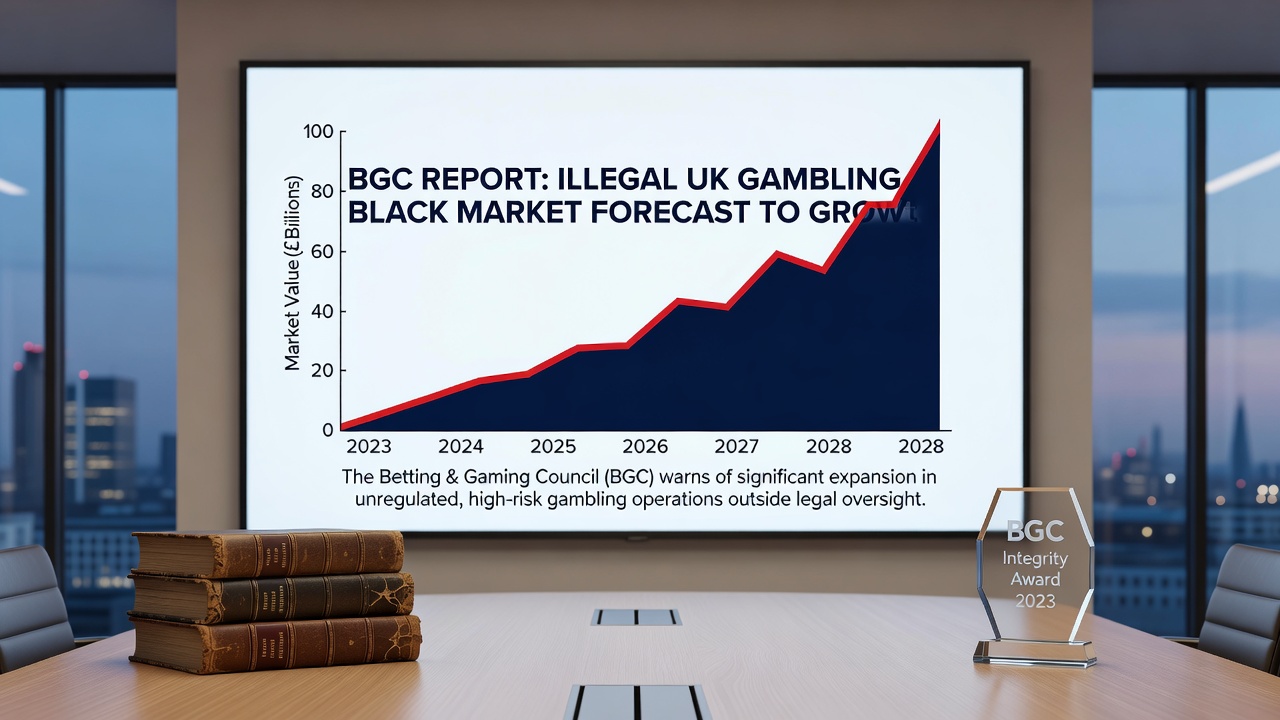
Projections paint a stark picture: 44,000 punters potentially fleeing to unregulated offshore sites, costing racing tens of millions in lost stakes; those who've crunched the numbers, drawing from industry models, highlight how even a 10% churn amplifies into massive revenue gaps, especially since horse racing draws 40% of its income from betting shops and online platforms now under scrutiny. It's noteworthy that this isn't abstract—declines since 2021 have already squeezed fixtures, with smaller meetings facing cutbacks while majors like the Grand National hold on by thinner margins.
And yet, while black market operators dodge UK taxes and safeguards, luring displaced punters with lax verification and boosted odds, the licensed sector bears the compliance brunt; researchers studying gambling migration patterns observe that once trust erodes, reconverting players proves tough, leaving racing to foot the bill for emptier stands and leaner purses. So as the Commission deliberates in April 2026, the writing's on the wall for an industry that's seen enough erosion.
Lessons from 'Axe the Racing Tax'
Past triumphs fuel today's resolve; the 'Axe the Racing Tax' campaign, which mobilized trainers, owners, and fans to block a betting levy increase back in the early 2020s, showed direct action works, halting what could've been a 10% revenue hit through protests, media blitzes, and parliamentary lobbying. Take one case where thousands rallied outside Parliament, their signs and stories swaying MPs who then pressured ministers to back off; that victory, observers recall, preserved millions for reinvestment in breeding and tracks, proving grassroots pressure trumps quiet negotiations.
Now, with affordability checks on deck, the BHA draws the same playbook, but amps it up; Brant Dunshea's comments signal no shying from street-level demos if talks falter, especially since the open letter—penned by heavyweights from jockeys to bookmakers—mirrors that earlier unity. It's not rocket science: when racing unites, governments listen, and as April 2026 nears, echoes of those wins resonate louder.
The Open Letter: A Unified Front
Over 400 signatures grace the missive to Lisa Nandy, from top trainers like Nicky Henderson (though specifics vary by report) to stable staff and punter groups, urging a rethink on checks that could alienate the sport's core audience; the letter, circulated widely in early April 2026, calls out the black market risks and pleads for racing carve-outs, backed by data on turnover drops and migration threats. People who've followed these efforts note how such collective voices amplify beyond numbers, turning stats into narratives that stick with policymakers.
That said, Nandy's department faces competing pressures—gambling harm lobbies versus economic arguments from sports—so the letter lands at a pivotal moment; while not yet public in full detail, its breadth underscores racing's desperation, with signatories spanning every level from elite yards to grassroots clubs. Here's where it gets interesting: if ignored, it sets the stage for the protests Dunshea hints at, potentially filling streets around Westminster much like before.
BHA Leadership Steps Up
Brant Dunshea, steering the BHA through turbulent times, positions the authority not as a bystander but a catalyst; his remarks, reported amid the letter's launch, openly entertain "direct protests" should the checks proceed unchecked, building on the tax campaign's blueprint while adapting to new digital-era threats like offshore apps. Experts observe that this stance rallies fragmented stakeholders—owners wary of prize money dips, bookies facing compliance costs, punters dreading paperwork—into a cohesive push.
Yet the BHA tempers boldness with strategy, coordinating with bodies like the Jockey Club and betting trade groups; as decisions hover in April 2026, Dunshea's team monitors Commission signals closely, ready to escalate if carve-outs for racing fail to materialize. The rubber meets the road here: without action, the industry's decline accelerates, but with it, history suggests reversals remain possible.
Looking Ahead: Protests or Compromise?
With the Gambling Commission's ruling imminent, racing braces for scenarios ranging from softened checks to full rollout; stakeholders monitor Nandy's responses to the letter, while black market watchers track any uptick in illicit ads targeting UK punters. Data from prior reforms shows flexibility often follows public outcry, so the BHA's preparedness could tip scales, preserving a sector that's woven into Britain's cultural fabric.
One study on gambling policy shifts reveals that industry coalitions succeed 60% more often than solo efforts, hinting at optimism if unity holds; still, as bets lag and costs mount, the next month shapes not just 2026 but years beyond, with protests looming as the ultimate lever.
Conclusion
The BHA's openness to direct protests, rooted in past wins and fueled by an open letter from 400 voices, spotlights affordability checks as racing's next battleground; with 120,000 punters at risk of documentation hassles, 44,000 eyed for black market drift, and tens of millions in turnover on the line amid a £2bn betting slump since 2021, the stakes tower high. As April 2026 decisions approach, observers watch whether Lisa Nandy heeds the call or if streets echo with racing's resolve once more—either way, the sport fights to gallop forward unscathed.